Galaxy Note 7 sets the stage for this enthralling narrative, offering readers a glimpse into a story that is rich in detail and brimming with originality from the outset. Launched in 2016, the Galaxy Note 7 was hailed for its innovative features, including a stunning display, advanced stylus capabilities, and enhanced security measures. However, its journey was marred by significant technical issues, leading to one of the most publicized recalls in smartphone history. This exploration delves into the remarkable features, the challenges faced, and the lasting legacy of the Galaxy Note 7.
Overview of Galaxy Note 7

The Galaxy Note 7, released in August 2016, marked a significant step forward in Samsung’s smartphone lineup, blending high-end specifications with innovative features. This model was particularly noted for its advanced capabilities, sleek design, and integration of productivity tools, appealing to both tech enthusiasts and professional users alike. The Note 7 was designed to carry forward the legacy of the Note series, known for its large display and stylus functionality.
The Galaxy Note 7 featured a 5.7-inch Quad HD Super AMOLED display, delivering vivid colors and sharp resolutions, making it ideal for media consumption and productivity tasks. Powered by either the Snapdragon 820 or Exynos 8890 processor, depending on the market, it offered excellent performance capabilities. The device was equipped with 4GB of RAM and options for 64GB or 128GB of internal storage, expandable via microSD. Notably, the Note 7 also included an IP68 rating for water and dust resistance, a first for the Note series, and a 3,500mAh battery that supported fast charging and wireless charging. Additionally, it came with the S Pen, allowing for precision input and features like screen-off memo and live message sharing.
Significance of the Galaxy Note 7 in the Smartphone Market
The Galaxy Note 7’s release was crucial for Samsung, especially following the success of its predecessor, the Galaxy Note 5. It aimed to solidify Samsung’s position in the high-end smartphone segment while competing with Apple’s iPhone models and emerging competitors. The Note 7 was positioned as a versatile device for both business and personal use, boasting features such as enhanced security with Iris scanning and sophisticated productivity tools.
The smartphone market during 2016 was highly competitive, and the Galaxy Note 7 was initially well-received, praised for its design, functionality, and features that appealed to power users. However, its legacy became overshadowed by significant safety concerns that arose shortly after its launch.
Timeline of Major Events Related to the Galaxy Note 7
Understanding the timeline of events surrounding the Galaxy Note 7 is essential to grasp its impact and the controversies that followed its release. Here is a concise Artikel of the major milestones:
- August 2, 2016: Samsung officially launched the Galaxy Note 7, generating excitement for its advanced features and sleek design.
- August 19, 2016: The device became available for pre-order, quickly selling out in many markets due to high demand.
- September 2016: Reports began emerging of devices catching fire due to battery issues, prompting investigations.
- September 2, 2016: Samsung announced a global recall of the Note 7, urging users to stop using the device and return it for a replacement.
- October 2016: A replacement program was initiated, but incidents of renewed battery fires were reported, leading to further safety concerns.
- October 11, 2016: Samsung discontinued the Galaxy Note 7 entirely, advising users to power down their devices and return them.
- December 2016: Samsung announced a detailed investigation, revealing that the issues were primarily due to battery defects from two separate suppliers.
“The Galaxy Note 7 was not just a smartphone; it was a pivotal moment for Samsung in the realm of mobile technology, illustrating both innovation and the critical importance of safety.”
This timeline encapsulates the rapid rise and fall of the Galaxy Note 7, illustrating its initial promise juxtaposed with the severe repercussions of its battery failures, which ultimately reshaped industry standards and consumer expectations.
Technical Issues and Recalls
The Galaxy Note 7, marketed as a premium smartphone with cutting-edge features, was marred by significant technical issues that ultimately led to its recall. Although it was initially praised for its design and performance, Samsung faced grave concerns regarding the safety of the device, particularly surrounding its battery. This section delves into the specific technical problems that triggered the recalls and the measures taken by Samsung to rectify these issues.
Battery Explosions and Overheating Concerns
The primary technical issue that led to the Galaxy Note 7 recall was related to the lithium-ion batteries used in the device. Reports of the phones catching fire and exploding during charging became increasingly frequent, creating a critical safety hazard. Initial investigations indicated that the batteries installed in the first batch of Note 7 units had manufacturing defects that caused the battery cells to short-circuit.
To illustrate the severity of the issue, numerous incidents were reported across the globe, including:
- A Note 7 reportedly caught fire in a plane cabin, leading to emergency protocols being enacted and the aircraft being grounded.
- Another instance involved a user’s device igniting while it was charging overnight, resulting in extensive property damage.
- In one viral video, a Note 7 was seen engulfed in flames during a live demonstration, shocking the audience and raising alarms among users.
These incidents significantly tarnished Samsung’s reputation, prompting the company to issue a full recall.
Samsung’s Response to the Crisis, Galaxy note 7
In the wake of the battery issues, Samsung took decisive action to address consumer safety and restore trust in its brand. The company initiated a global recall of all Galaxy Note 7 devices, urging customers to power down their phones and return them. The steps taken included:
- Samsung established a comprehensive exchange program, allowing users to swap their potentially defective devices for a new Galaxy Note 7 or another Samsung product of equal value.
- The company partnered with regulatory agencies and independent experts to conduct thorough investigations into the battery failures.
- In an effort to reassure customers, Samsung implemented an extensive testing protocol for replacement devices, including more robust battery safety measures and a multi-layered battery protection system.
User Experiences and Safety Concerns
As safety concerns escalated, user experiences varied widely, with testimonials reflecting both frustration and fear among Galaxy Note 7 owners. Many users expressed their disappointment over the situation, feeling that they had purchased a high-end device that turned out to be dangerous.
Some notable user testimonies included:
“After hearing about the fires, I was terrified to even keep my Note 7 charged overnight. I had to switch to an older phone until I could get a replacement.”
“I loved the phone, but when I saw the news about explosions, I couldn’t trust it anymore. I felt like I was carrying a ticking time bomb.”
These experiences contributed to a widespread sense of mistrust, not just for the Galaxy Note 7 but also for the smartphone industry as a whole, leading to calls for stricter safety regulations and oversight in device manufacturing.
Comparison with Other Smartphones

The Galaxy Note 7, despite its troubled history, marked a significant advancement in Samsung’s smartphone lineup, particularly in comparison to its predecessor, the Galaxy Note 5. In this analysis, we will delve into the improvements made from the Note 5 to the Note 7, how it performed against contemporaneous rivals, and the broader impact of its challenges on the smartphone market.
Improvements Over the Galaxy Note 5
The transition from the Galaxy Note 5 to the Galaxy Note 7 introduced several notable enhancements that were aimed at refining the user experience:
- Design and Display: The Note 7 featured a more refined design with a dual-edge curved display, enhancing aesthetics and adding functionality. It maintained the Super AMOLED technology but increased the resolution to 1440 x 2560 pixels, providing sharper visuals.
- Battery Capacity: The Note 7 housed a 3,500 mAh battery, larger than the Note 5’s 3,000 mAh battery, promising improved longevity. However, this enhancement would later be overshadowed by safety issues.
- Camera Capabilities: The smartphone utilized a 12 MP dual-pixel rear camera, offering faster autofocus and improved low-light performance compared to the 16 MP camera found in the Note 5.
- Software Features: The Note 7 debuted with enhanced software features, including a more refined S Pen, improved multitasking capabilities, and enhanced security with the introduction of an iris scanner.
Competitive Landscape
During its release, the Galaxy Note 7 faced stiff competition from other flagship devices, most notably the iPhone 7 and Google Pixel.
- iPhone 7: Apple’s iPhone 7 showcased significant processing power with the A10 Fusion chip and boasted improved water resistance. Its camera was celebrated for exceptional performance, although it lacked the stylus functionality that the Note 7 offered.
- Google Pixel: The Pixel was lauded for its software integration, providing a clean Android experience and exceptional camera capabilities, particularly in low-light scenarios. Its artificial intelligence features and Google Assistant support were strong selling points.
The Galaxy Note 7 stood out with its stylus and productivity-focused features, but the competition emphasized the importance of software optimization and camera performance, which challenged Samsung’s market positioning.
Impact on Market Dynamics
The issues surrounding the Galaxy Note 7, particularly the battery issues leading to fires and recalls, had significant repercussions on both Samsung’s reputation and its competitors’ sales.
- Market Share Decline: Following the recalls, Samsung faced a substantial decline in consumer trust, which resulted in a temporary decrease in market share. Reports indicated that Samsung’s smartphone sales dropped by 20% in the months following the Note 7’s launch.
- Competitor Gains: Brands like Apple and Google capitalized on Samsung’s misfortunes, witnessing increased sales. The iPhone 7 saw a notable boost in pre-orders, while the Pixel gained traction among consumers seeking a reliable alternative.
- Long-Term Effects: Samsung implemented stricter quality controls and enhanced safety measures in subsequent models, aiming to restore consumer confidence. The Note 8, launched later, was positioned to reclaim market leadership with improved safety and features.
“The Galaxy Note 7’s challenges reshaped the competitive landscape, prompting rivals to innovate rapidly while Samsung worked to recover its reputation.”
Legacy and Impact: Galaxy Note 7
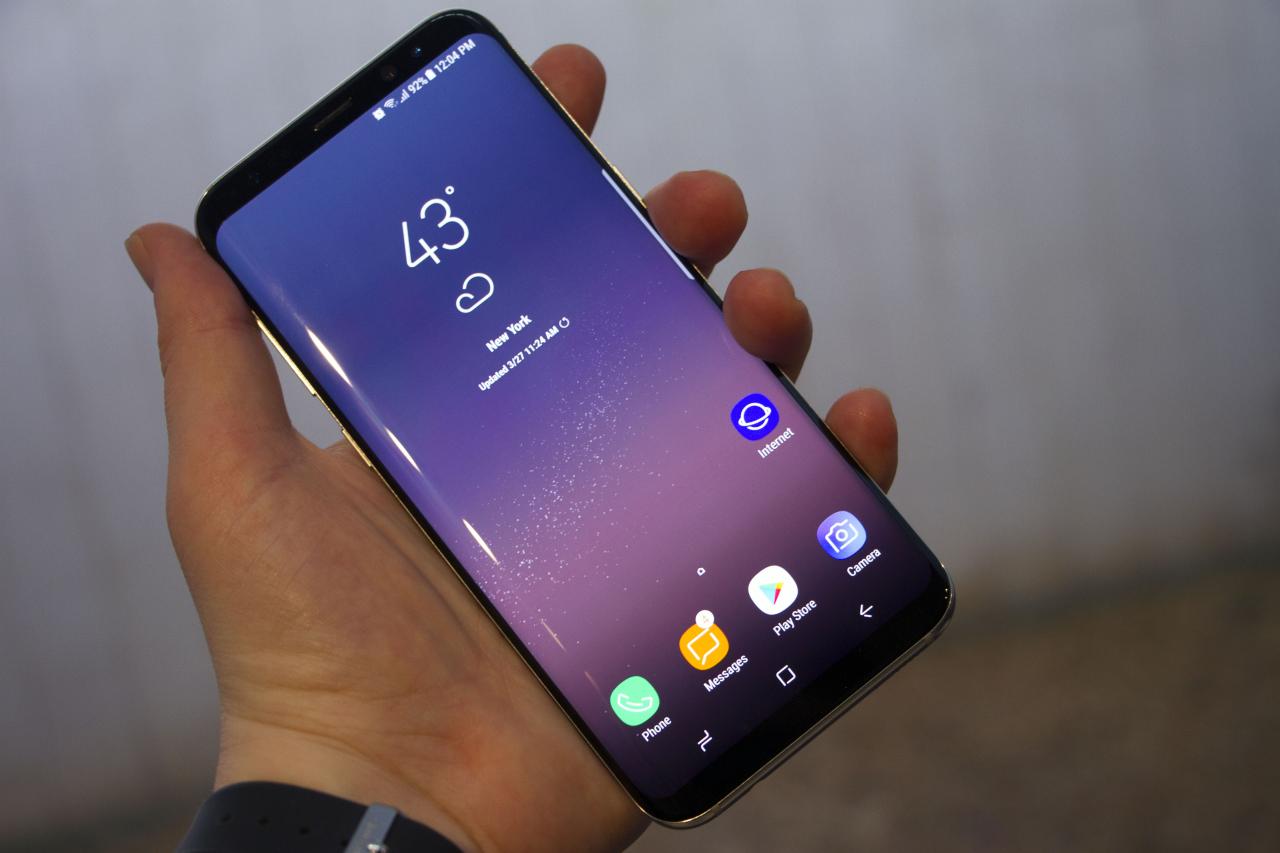
The Galaxy Note 7 incident was a watershed moment in the smartphone industry, leaving an indelible mark on Samsung’s brand reputation. The fallout from the recalls and safety issues not only affected Samsung but also set the stage for changes across the entire industry regarding safety standards and consumer trust.
The impact of the Galaxy Note 7’s technical failures extended beyond immediate financial losses; it challenged Samsung to reassess its manufacturing and quality control processes. In the wake of the incident, Samsung took significant steps to restore consumer confidence and enhance its brand image. The company implemented a rigorous 8-point battery safety check, which is now a standard procedure for all its mobile devices. This initiative was aimed at ensuring that every battery undergoes thorough inspections, including tests for battery cell design, durability, and overheating prevention.
Changes in Future Samsung Devices
As a direct response to the Galaxy Note 7 crisis, Samsung introduced several changes in its future devices. These modifications were essential not only for safety but also for regaining consumer trust. Key changes included:
- Enhanced Quality Control: Samsung established a dedicated team to oversee the production of batteries, focusing on rigorous testing protocols to prevent defects.
- Battery Design Improvements: The company redesigned its battery systems, incorporating new materials and technologies to minimize risks associated with overheating.
- Consumer Transparency: Samsung improved communication with consumers regarding safety features and recalls, ensuring users are well-informed about their devices.
The aim of these changes was to cultivate a culture of safety-first innovation, positioning Samsung as a leader not only in technology but also in consumer safety.
Influence on Industry Regulations and Safety Standards
The Galaxy Note 7 incident had far-reaching implications, prompting industry-wide dialogue on safety regulations. Following the recalls, several organizations and regulatory bodies began reassessing their standards for smartphone safety. The incident catalyzed the formulation of more stringent guidelines, primarily focusing on battery safety and testing protocols.
Many manufacturers adopted stricter safety measures, including comprehensive assessments of battery cells and overall device safety. The incident emphasized the need for standardized testing across the industry, leading to the establishment of new benchmarks for quality assurance and safety compliance.
“The Galaxy Note 7 incident underscored the importance of safety in the competitive smartphone market, reshaping industry norms and prompting manufacturers to prioritize consumer protection.”
In summary, the legacy of the Galaxy Note 7 incident is a complex blend of brand recovery for Samsung and a revitalized focus on safety standards across the smartphone industry. The incident serves as a poignant reminder of the critical balance between innovation and consumer safety in technology.
Key Questions Answered
What were the main features of the Galaxy Note 7?
The Galaxy Note 7 featured a vibrant 5.7-inch QHD display, an improved S Pen stylus, waterproofing, and iris scanning technology.
What led to the recall of the Galaxy Note 7?
Battery defects that caused overheating and fires prompted Samsung to recall the device shortly after its launch.
How did Samsung address the battery issues?
Samsung initiated a recall, replaced defective batteries, and implemented new safety measures to prevent future incidents.
What impact did the Galaxy Note 7 have on Samsung’s reputation?
The incident resulted in significant damage to Samsung’s brand image, prompting a reevaluation of their quality control and safety practices.
How did the Galaxy Note 7 affect competitors?
The fallout from the Galaxy Note 7 recall allowed competitors to gain market share, as consumers hesitated to trust Samsung’s future devices.
The Galaxy Tab Pro 12.2 stands out with its large display and impressive performance, making it an ideal choice for both productivity and entertainment. Its sleek design and powerful hardware allow users to multitask efficiently, whether you’re watching videos or editing documents on the go.
For those in search of a reliable smartphone, the Motorola Moto X4 offers a great balance of features and affordability. With its dual-camera setup and stylish design, it caters to photography enthusiasts while ensuring smooth performance for everyday tasks, making it a worthy companion.