samsung galaxy s ii stands out as a significant milestone in the evolution of smartphones, blending cutting-edge technology with sleek aesthetics. This iconic device introduced features that captivated users, setting a new standard for mobile performance during its release. With a unique design and powerful specifications, it reshaped the landscape of personal devices, making it a must-have for tech enthusiasts and casual users alike.
From its impressive camera capabilities to a user-friendly interface, the Samsung Galaxy S II offered a well-rounded experience that catered to a variety of needs. As we delve deeper into its standout features, performance metrics, and software enhancements, it’s clear why this smartphone left a lasting impact on the industry.
Features of Samsung Galaxy S II
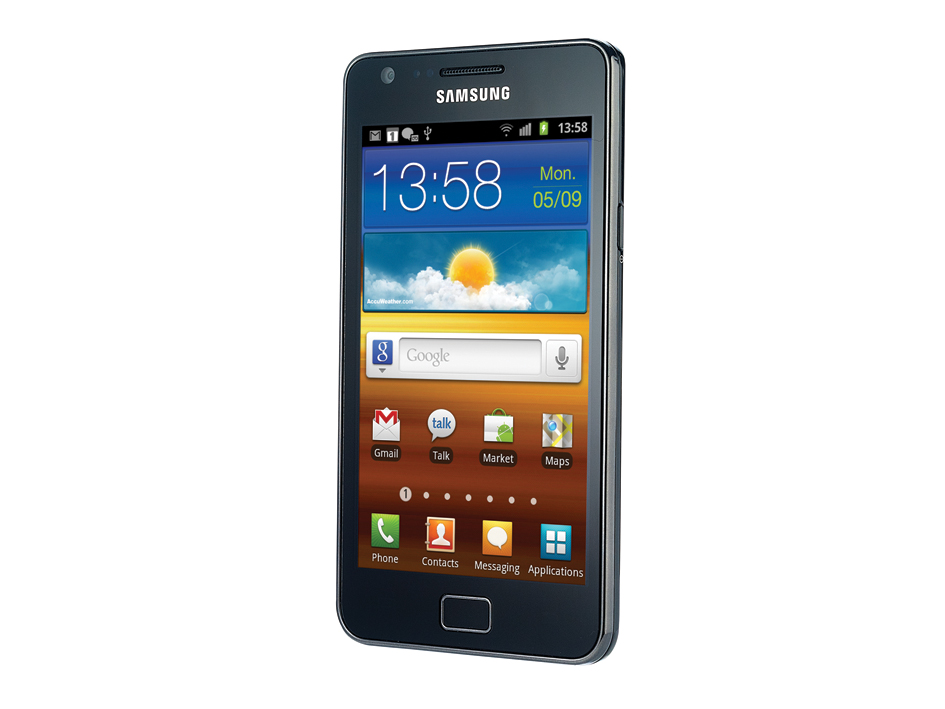
The Samsung Galaxy S II was a groundbreaking smartphone that set new standards in mobile technology when it was released in 2011. With its impressive specifications, sleek design, and user-friendly features, it quickly gained popularity and became one of the flagship devices of its time. This section delves into the standout features that distinguished the Galaxy S II from its competitors, showcasing its technological advancements and aesthetic appeal.
Standout Features
The Galaxy S II introduced several innovative features that made it a preferred choice among consumers. Key features included:
- Display: The device boasted a 4.3-inch Super AMOLED Plus screen with a resolution of 800 x 480 pixels. This vibrant display enhanced color accuracy and visibility in various lighting conditions, setting a benchmark for future smartphones.
- Processor: Powered by a dual-core 1.2 GHz processor and 1 GB of RAM, the Galaxy S II offered superior performance and multitasking capabilities, allowing users to run multiple applications seamlessly.
- Camera: Featuring an 8-megapixel rear camera and a 2-megapixel front camera, the device enabled high-quality photography and video recording. The camera included features like autofocus, LED flash, and 1080p video recording, catering to photography enthusiasts.
- Operating System: Initially launched with Android 2.3 Gingerbread, it later received updates, enhancing user experience and providing access to a plethora of applications through the Google Play Store.
- Battery Life: With a 1650 mAh battery, the Galaxy S II supported hours of usage, thanks to its efficient power management system, ensuring users remained connected throughout the day.
Specifications That Differentiate
Several specifications set the Galaxy S II apart from its contemporaries. These include:
- Thickness: At just 8.49 mm, the Galaxy S II was one of the slimmest smartphones available, making it highly portable and easy to handle.
- Storage Options: With options for 16 GB and 32 GB of internal storage, expandable via microSD up to an additional 32 GB, users could store a vast amount of data, including apps, photos, and videos.
- Connectivity: The device supported HSPA+ for faster mobile internet, Bluetooth 3.0, and Wi-Fi Direct, allowing for efficient data transfer and improved connectivity.
Design Aesthetics and Build Quality
The design of the Galaxy S II played a significant role in its appeal. It featured a sleek, minimalist design with rounded edges, creating a modern look that was both stylish and functional. The device was primarily constructed from high-quality plastic, contributing to its lightweight nature while maintaining durability.
The front of the phone was dominated by the expansive Super AMOLED Plus display, providing a sleek, uninterrupted surface. The contrasting chrome accents around the edges added a premium touch to its overall aesthetic. Furthermore, the carefully crafted tactile buttons offered a satisfying user experience.
In summary, the Samsung Galaxy S II was not only a feat of engineering but also an embodiment of stylish design and usability, making it a standout in the crowded smartphone market of its era.
Performance Review
The Samsung Galaxy S II marked a significant advancement in smartphone technology at the time of its release, especially in terms of performance. With robust hardware specifications and optimized software, it provided users with a smooth and responsive experience, setting a benchmark for its contemporaries.
Equipped with a dual-core 1.2 GHz ARM Cortex-A9 processor and a Mali-400 GPU, the Galaxy S II showcased impressive performance metrics. Benchmark tests, such as those conducted by AnTuTu and Quadrant, consistently placed the device at the top of the performance charts during its launch period. For instance, the device scored around 3,900 in Quadrant and over 6,000 in AnTuTu, surpassing many competitors, including the HTC Sensation and the Motorola Atrix 4G. These figures illustrated not only the processing power but also the efficiency of the device in handling demanding tasks and applications.
Gaming and Multitasking Performance
The Samsung Galaxy S II was particularly well-received for its gaming capabilities and multitasking performance. The combination of its powerful dual-core processor and the ample 1 GB of RAM allowed users to run multiple applications seamlessly without noticeable lag.
When it came to gaming, the device supported a wide range of high-performance games, offering smooth graphics and quick load times. Titles such as “Asphalt 6: Adrenaline” and “Angry Birds” ran exceptionally well, demonstrating the capabilities of the GPU in rendering high-quality visuals. Users reported enjoying a consistently high frame rate, crucial for a rewarding gaming experience.
For multitasking, the TouchWiz user interface provided an intuitive way to switch between applications. The capability to run multiple apps simultaneously, with the added support of features like Pop-up Play, allowed users to watch videos while sending messages or browsing the web.
In summary, the Samsung Galaxy S II set a high bar for performance in smartphones, with benchmarks and real-world usage highlighting its strengths in both gaming and multitasking. A remarkable balance of processing power and user experience made it a standout choice for many users at the time.
Camera Capabilities
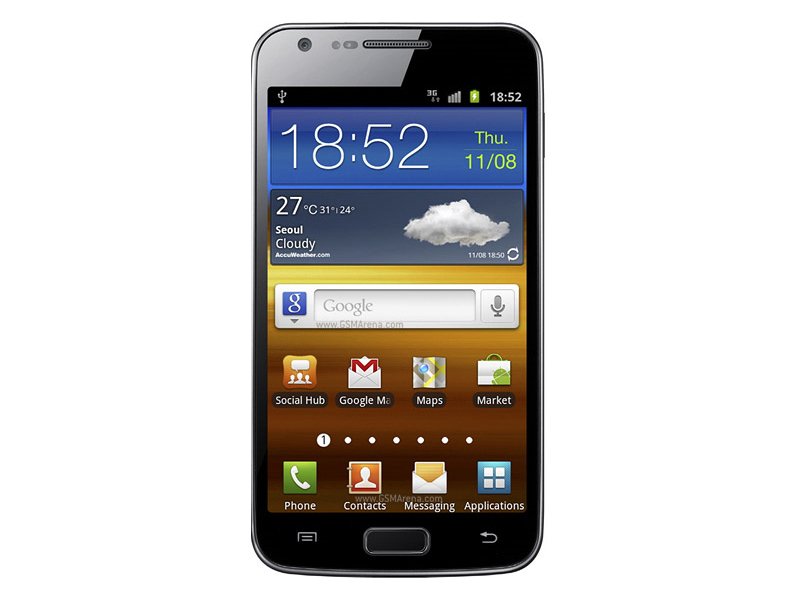
The Samsung Galaxy S II brought notable advancements in smartphone photography at its release, setting a new standard for mobile cameras. With a robust 8-megapixel rear camera and a 2-megapixel front camera, it offered features that catered to both casual and serious photographers alike.
The camera’s specifications included a wide range of shooting modes and features that enhanced the photography experience. Users could take advantage of options such as auto, macro, panorama, and night mode, enabling them to adapt to various scenarios. The LED flash provided necessary illumination in low-light conditions, while the ability to capture video in 1080p added to its versatility. The device also featured image stabilization, which was key in reducing blurriness caused by shaky hands.
Shooting Modes and Performance
The Galaxy S II’s shooting modes allowed users to experiment creatively with their photography. Each mode was designed to optimize settings based on environmental conditions, resulting in better images.
– Auto Mode: The camera automatically adjusts settings like exposure and white balance to deliver good results in most situations.
– Macro Mode: Perfect for close-up shots, this mode enabled users to capture intricate details of objects such as flowers or small items, achieving sharp focus within a short distance.
– Panorama Mode: This feature allowed users to create expansive landscape photos by sweeping the camera across a scene, stitching together multiple images seamlessly.
– Night Mode: When the lighting was low, this mode enhanced the camera’s sensitivity, helping to produce clearer images without excessive noise.
When comparing the Galaxy S II’s camera capabilities to other smartphones of its era, it held its ground remarkably well. Many flagship devices were emerging, but the Galaxy S II was noted for its superior image processing capabilities and faster shutter speed, enabling quick capture of fleeting moments. Users praised its ability to produce vibrant colors and fairly accurate tones, placing it ahead of many competitors at the time.
Image Quality and Post-Processing Options
The image quality of the Galaxy S II was generally strong, especially in good lighting conditions. However, when faced with low light scenarios, while still commendable, the images often exhibited some noise and loss of detail.
Post-processing options were also a highlight of the Galaxy S II. The device included several filters and editing tools within its gallery app. Users could adjust brightness, contrast, saturation, and apply various effects to enhance their photos post-capture.
– Low Light Performance: The camera struggled slightly in very dim conditions but managed to retain decent detail and color, especially when the night mode was utilized.
– Daylight Photography: Under bright conditions, images were sharp, and colors appeared more vivid, making it a favorite for outdoor photography.
In terms of real-life usability, many users reported that the Galaxy S II’s camera was excellent for everyday photography, including casual outings and travel snapshots, providing satisfactory results that often required minimal post-processing effort.
Software and User Interface: Samsung Galaxy S Ii
The Samsung Galaxy S II was released with Android 2.3 Gingerbread, a version that established a strong foundation for many features that users appreciated. Over time, the device received significant updates, including the upgrade to Android 4.1.2 Jelly Bean. This upgrade brought numerous enhancements, including improved performance, better multitasking capabilities, and the introduction of Google Now, which streamlined user interactions.
The user interface of the Galaxy S II, known as TouchWiz, played a crucial role in enhancing the overall experience. Samsung’s TouchWiz interface added a layer of customization and functionality that appealed to users who sought more than just a stock Android experience. The layout was user-friendly, with vibrant icons and a logical arrangement of apps that facilitated easy access to essential features.
Operating System Updates, Samsung galaxy s ii
The journey of software updates for the Samsung Galaxy S II was notable. Initially launching with Android 2.3 Gingerbread, the device saw a major transformation when it was updated to Android 4.1.2 Jelly Bean. This update included:
- Performance enhancements that improved the speed and responsiveness of the device.
- New notification features that allowed users to expand notifications for more information.
- Project Butter, which offered a smoother user experience by optimizing the touch response.
These updates ensured that users could enjoy a more refined Android experience, reinforcing the device’s reputation in the competitive smartphone market.
User Interface Features
The user interface of the Galaxy S II, characterized by its TouchWiz skin, was designed to maximize usability while offering a visually appealing experience. Features included:
- Live folders that allowed users to organize content dynamically, providing quick access to their most-used applications.
- Widgets that could be customized and placed on the home screen, enhancing personalization.
- Multi-Window capability in later updates, allowing users to run two apps side by side, which was a significant productivity boost.
These features not only improved the aesthetic appeal but also contributed to a more efficient workflow for users, allowing for seamless navigation.
Customization Options
Customization was a key strength of the Galaxy S II, enabling users to tailor their experience. The device provided various options that impacted usability significantly:
- Home screen customization that allowed users to change wallpapers, icons, and layout, creating a personalized look.
- Theme support, which permitted users to change the appearance of the interface to match their preferences.
- Application drawer customization, enabling users to organize apps into folders for easier access.
These options ensured that every user could mold their device to reflect their personal style, significantly enhancing their interaction with the smartphone.
Quick FAQs
What operating system does the Samsung Galaxy S II use?
The Samsung Galaxy S II originally launched with Android 2.3 Gingerbread and later received updates to newer versions.
Is the Samsung Galaxy S II still supported?
As of now, the Samsung Galaxy S II is no longer officially supported, and software updates are not provided.
What is the battery capacity of the Samsung Galaxy S II?
The Samsung Galaxy S II comes with a 1650 mAh battery, which was competitive at its launch.
Can you expand the storage on the Samsung Galaxy S II?
Yes, the Samsung Galaxy S II supports microSD cards for expandable storage up to 32GB.
What is the screen size of the Samsung Galaxy S II?
The Samsung Galaxy S II features a 4.3-inch Super AMOLED display.
The Samsung Galaxy Note Pro stands out with its powerful hardware and unique S Pen functionality, making it perfect for productivity enthusiasts. This tablet not only enhances multitasking capabilities but also offers an immersive display for all your media consumption needs. Its design and performance continue to impress users looking for a versatile device.
With the impending release, tech enthusiasts are eager to discover what’s new in Android 15. This latest version promises to deliver exciting features that enhance user experience, including improved privacy settings and refined customization options. As Android evolves, these updates aim to make the platform more intuitive and user-friendly for everyone.